

โทรศัพท์ติดต่อ DMC : ค้นหาหนังสือธรรมะ หน้า 594 / 615
หน้าหนังสือทั้งหมด
10
Exploring the Dhammacakkapavattana Sutta and the Four Noble Truths
Contents
Author's Preface ............................................................................................................... 9
1 Overview ................................................
This text delves into the Dhammacakkapavattana Sutta, highlighting its key teachings on the paths of sensual indulgence and self-mortification, and emphasizes the Middle Way. The content covers the Fo
13
Dhammacakka Pavattana Sutta for Pursuers of Perfection
Appendix A: Dhammacakka pavattana Sutta for Pursuers of Perfection .. 183
Introduction 183 ● What is the Dhammacakka? 183 ● The Importance of the Dhammacakka pavattana Sutta 189 ● Reason for Teaching
This book explores the Dhammacakka Pavattana Sutta, a pivotal teaching in Buddhism that outlines the Middle Way and the Four Noble Truths. It addresses the extremes of practice and guides practitioner
17
Dhamma Practice and Understanding in Dhammacakkapavattana Sutta
translation are hampered in their studies both by the scarcity of the original and its archaic language. In spite of the present author's respect for the original use of language, to leave it in its o
This work addresses the challenges of understanding the Dhammacakkapavattana Sutta due to its original language and scarce resources. The author adapts complex passages to modern language while mainta

20
The Journey of Enlightenment: The Buddha's Reflections
1
Overview
Introduction
After the Enlightenment which transformed Siddhartha Gotama into the Lord Buddha beneath the Bodhi tree on the banks of the River Nerañjāra, Bodhgavā on the full moon night of
After achieving Enlightenment under the Bodhi tree, the Buddha spent 28 days in contemplation to absorb the bliss and understand the Dhamma. With encouragement from Brahmā Sahampati, he decided to sha
24
The Path of Self-Mortification in Buddhism
2. The Path of Self-Mortification
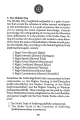
According to the Buddha, the practice of self-mortification [attakilamathānuyoga] is fruitless. He said that it is not a practice in keeping with the tenets of Buddhi
In Buddhism, the practice of self-mortification is deemed fruitless by the Buddha. He elucidates that these practices, such as lying on thorns and severe fasting, do not genuinely rid individuals of d
25
The Middle Way: A Path to Liberation
3. The Middle Way
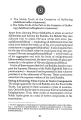
The Middle Way [majjhima paṭipadā] is a path of practice that avoids the extremes of either sensual indulgence or self-mortification. It is a path of practice that is conducive to ta
The Middle Way [majjhima paṭipadā] serves as a balanced path in Buddhism, steering clear of both sensual pleasures and self-mortification. This approach is aimed at tempering the mind, achieving supre
26
The Noble Truths and the Path to Nirvana
3. The Noble Truth of the Cessation of Suffering [dukkhanirodha ariyasacca];
4. The Noble Truth of the Path to the Cessation of Suffering [dukkhanirodhåkāmıni ariyasacca].
Apart from allowing Prince S
This text delves into the Four Noble Truths, emphasizing the cessation of suffering and the path leading to it. The Middle Way enables Prince Siddhattha to attain enlightenment and Nirvana while alive
27
Understanding the Four Noble Truths in Buddhism
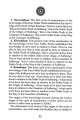
**1. Saccaṇāṇa:** This first cycle of examination of the knowledge of the Four Noble Truths established the knowledge of the Truth of their Existence. Thus he was to find out: 'this is the Noble Truth
This text outlines the process of examining the Four Noble Truths in Buddhism through three cycles: Saccaṇāṇa (knowledge of existence), Kiccāṇāṇa (knowledge of duty), and Kataṇāṇa (knowledge of fulfil
28
Insights into the Three Cycles and Twelve Components of Suffering
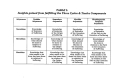
TABLE I:
Insights gained from fulfilling the Three Cycles & Twelve Components
| Ariyasacca | Dukkha Ariyasacca | Samudya Ariyasacca | Nirodha Ariyasacca | Nirodhagamini Patipada Ariyasacca |
| ---
This table outlines insights into suffering through the lens of the Four Noble Truths in Buddhism. Each Ariyasacca component provides a deeper understanding of suffering, including its existence, orig
29
The Enlightenment of Koṇḍañña
his Enlightenment for the benefit of the ‘Group of Five’ — Enlightenment that is supreme in the human world, angel world, Māra-world, Brahmā-world, animal-world, world of monks, world of brahmins, wor
This text discusses the pivotal moment when Koṇḍañña achieved enlightenment after listening to the Buddha’s teachings, recognizing the nature of arising and cessation within himself. The earth-sprites

31
Dhammacakkappavattana Sutta: The Sermon
Dhammacakkappavattana Sutta:
The Sermon
Something which you will find at the beginning of every sutta are Aṅanda’s words 'Evam.e sutam...': i.e. ‘Thus have I heard (directly from the Lord Buddha)
The Dhammacakkappavattana Sutta begins with Aṅanda's phrase 'Thus have I heard' and recounts the Buddha's teachings delivered at the Isipatana Deer Park. The Blessed One addresses the group of five mo
33
The Buddha's Teachings on Sensory Pleasures
6. Eating a poisonous fruit: The pleasures of the five senses can be compared to a poisonous fruit. The hedonist, in his greed eats the fruit and must endure the ensuing pain and upset as the poison t
The Buddha uses various metaphors to illustrate the dangers of indulgence in sensory pleasures. He likens them to poisonous fruits, sharp weapons, and children's toys, highlighting the inevitable suff
34
Buddhist Teachings on Sensual Pleasures
used to rinse a toilet or the toilet bowl itself, which is soiled with excrement. He also compared the pleasures of the senses to human faces which dogs like to spend their time sniffing.
Thus, the Lo
In this text, the Buddha emphasizes the folly of indulging in sensory pleasures, likening them to dangerous paths and harmful actions. This indulgence is viewed as detrimental, bringing suffering akin
36
The Hardships of Earning a Living
ways: for example, some are farmers, some run businesses, some tend dairy cattle, some are soldiers, some are civil servants, some are elephant trainers, some are horse trainers. No matter which way o
This text discusses the various livelihoods people engage in, from farming to business and training animals, emphasizing the hardships each profession entails regardless of the success one achieves. I
37
The Dangers of Sensual Indulgence
If it happens that his wealth is taken away in taxes, or stolen by robbers, or damaged by fire or floods, or frittered away by fraudulent enemies then that person will be sorrowful, suffering in body
This text discusses the sorrow and suffering resulting from the attachment to wealth and sensual pleasures, highlighting that these attachments can lead to fights and wars among various social groups.
42
The Noble Eightfold Path and the Factors of Enlightenment
kings must accept with obeisance. This is because the Noble Eightfold Path is a supreme and noble practice.
2. A Wide Ocean: It can be compared to the wide ocean into which all rivers must flow. The
The Noble Eightfold Path is presented as a supreme practice in Buddhism, comparable to a vast ocean into which all rivers flow, embodying the essential Factors of Enlightenment. It comprises the Four
43
Understanding the Noble Eightfold Path
Noble Eightfold Path is the most auspicious of all the virtuous teachings of the Lord Buddha.
4. A Wish-fulfilling Jewel: It can be compared to a wish-fulfilling jewel of eight facets.
5. The Chariot
The Noble Eightfold Path is central to Buddha's teachings, likened to a wish-fulfilling jewel. It consists of eight components: Right View, Right Intention, Right Speech, Right Action, Right Livelihoo
44
Understanding Right Intention and Right Speech in Buddhist Practice
subtle defilements¹ [anusaya].
2.1 Right Intention (mundane): At low level Right Inten- tion means having the wholesome intention to be generous, keep the Five Precepts, renounce the world to become a
This text discusses key aspects of Buddhist practice, specifically focusing on Right Intention and Right Speech. Right Intention involves having wholesome intentions such as generosity and the desire
46
Mindfulness Practices in Buddhism
1. mindfulness of the body [kāyunupassanāsatipaṭṭhāna]: Continuously seeing and knowing the body in the body — that is to see and know the subtle inner bodies that lie hidden within our physical body:
This text delves into the four foundations of mindfulness (satipaṭṭhāna) in Buddhism. It teaches practitioners to continuously observe the body, feelings, the mind, and mental phenomena. 'Mindfulness

49
The Artistry Behind Preaching the Four Noble Truths
3
The Four Noble Truths
The Artistry Behind Preaching the Four Noble Truths
In the Dhammacakkapavattana Sutta as in his other sermons, the Lord Buddha explains not only Dhamma subjects, but the relat
In the Dhammacakkapavattana Sutta, the Lord Buddha presents the Four Noble Truths, emphasizing their interconnected nature. Each Noble Truth is not standalone; they influence and clarify one another.